.webp)

In the high-stakes arena of JEE Main 2026, "hard work" is a baseline requirement, not a differentiator. The true differentiator is allocation efficiency—how effectively you invest your time to maximize marks.
Physics, once considered the toughest section, has emerged as the highest-scoring pillar in recent years (2024-2025). The questions are now predominantly formula-based, rewarding coverage and accuracy over depth.
This comprehensive guide breaks down the Physics syllabus into actionable data points. We have replaced vague advice with concrete tables, helping you build a roadmap to score 80+ marks in the January session.
Based on an analysis of over 20 shifts from recent years, here is the breakdown of chapters by their Return on Investment (ROI).
You cannot afford to lose a single mark in these chapters. They constitute nearly 45% of the paper.
1. Dual Nature of Matter
2. Atoms
3. Nuclei
1. Current Electricity
2. Electrostatics
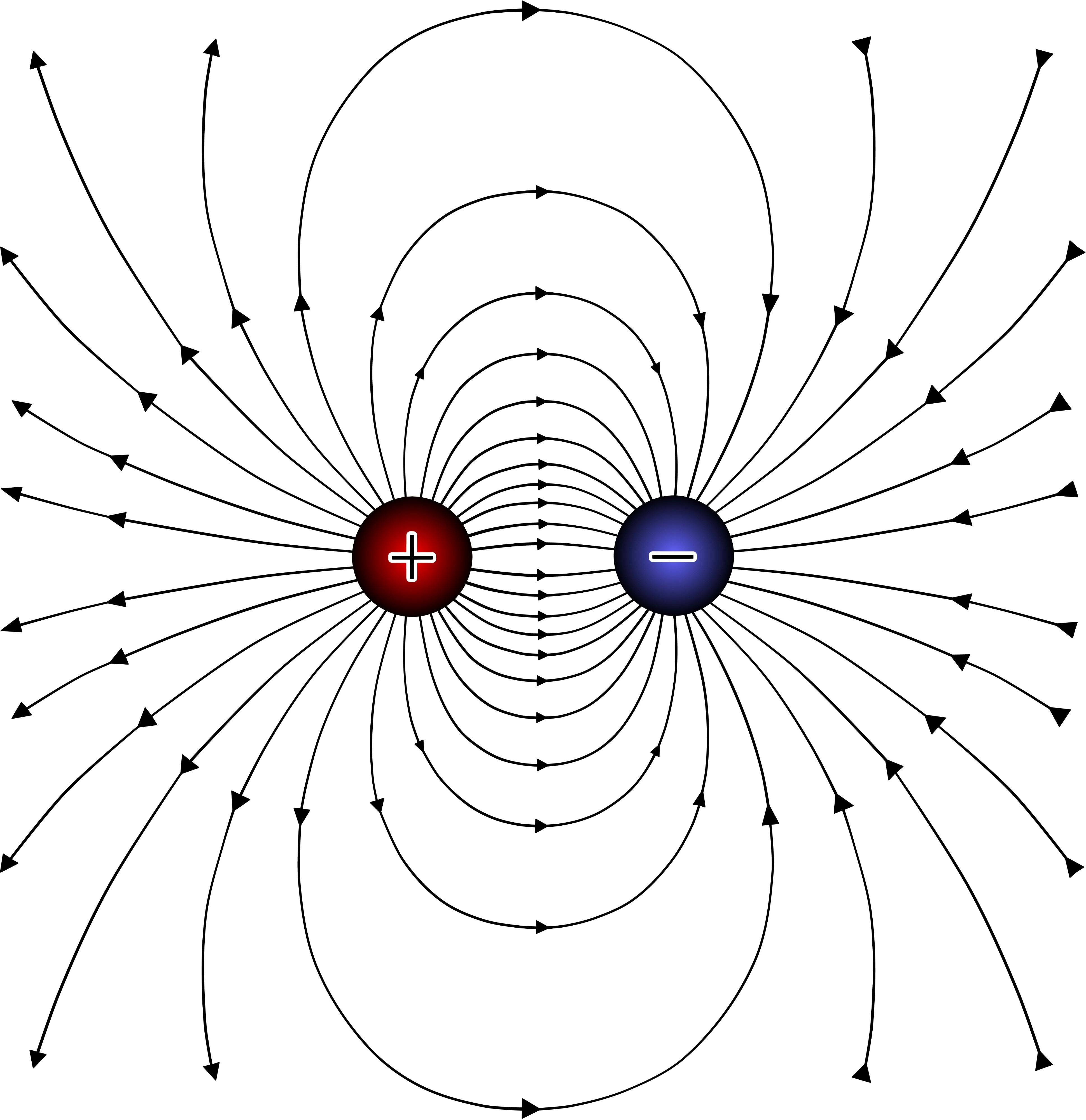
* **Gauss Law:** Flux calculation ($\phi = q/\epsilon_0$) and applications.
* **Conductors:** Potential inside and outside concentric shells.
3. Capacitors
These chapters are small, isolated, and highly predictable. Skipping them is a strategic blunder.
To save time, you must be aware of the "Dead Syllabus"—topics removed by NTA.
If you are starting your final revision now, follow this schedule to maximize coverage.
Knowledge is useless without execution. Use this time management grid during the actual exam.
Physics in JEE Main 2026 is a game of accuracy, not complexity. By focusing on the "Diamond" and "Gold" tiers (Table 1) and ensuring you don't lose marks in the "Easy Kills" (Table 4), you can easily cross the 80-mark barrier.
Final Tip: Stop solving Irodov or advanced modules. Stick to 2023-2025 PYQs. They are the closest simulation of what you will face in January.
Good Luck!

Academic Head & HoD Physics
B.Tech from IIT-Delhi (2008)
IIT Delhi. 14+ Years of experience. Highly admired Physics Faculty


